


Search
Alphabetical index
a palace in Wilanów
Babice
Bagieniec
Baranów Sandomierski
Barciany
Bardo
Barwałd Górny
Baszków
Bąkowa Góra
Besiekiery
Będzin
Białaczów
Białawoda
Biecz
Biedrzychowice
Bielsko-Biała
Bierutów
Bobolice (Lower Silesian province)
Bobolice (Silesia Province)
Bobrowniki
Bobrów
Bobrów Castle
Bochotnica
Bodzentyn
Bolczów Castle
Bolesławiec (Łódz Province)
Bolków
Bolmin
Borów Polski
Borysławice Zamkowe
Borzygniew
Bożków
Brok
Bronów
Brzeg
Bychawa
Byczyna
Bydlin
Bytów
Chełmo
Chęciny
Chlewiska
Chobienia
Chocianowiec
Chocianów
Chocz
Chojnik Castle
Chojnów
Chudów
Chwarszczany
Ciechanowice
Ciechanów
Ciepłowody
Cieszków
Cieszyn
Cisy Castle (of the Cis family)
Czarny Bór
Czchów
Czemierniki
Czerna
Czernina
Czersk
Częstochowa
Człuchów
Czoch Castle
Czorsztyn
Czyżów Szlachecki
Decjusz’s Villa
Dęblin
Dębno
Dobczyce
Dobra
Domanice
Dunajec Castle
Dzierżoniów
Dzietrzychowice
Dziewin
Frombork
Frydman
Giebułtów
Głogów
Głogówek
Gniew
Gniewoszów
Gola
Gola Dzierżoniowska
Golczewo
Golub-Dobrzyń
Gołuchów
Gorzanów
Gościszów
Góra
Górka Castle
Grodno Castle
Grodziec (Lower Silesia Province)
Grodziec (Silesian Province)
Grodziec Castle
Gryf Castle
Gryfów Śląski
Grzędy (Wojaczów)
Grzmiąca
Henry's Castle
Iłża
Janowice Wielkie
Janowiec
Jawor
Jelcz-Laskowice
Jelenia Góra
Jelenia Góra-Sobieszów
Jeżów (Wilczyska)
Jędrzychów
Kamieniec
Kamieniec Ząbkowicki
Kamienna Góra
Karpień Castle
Karpniki
Karpno (Lądek Zdrój)
Kazimierz Dolny
Kąty Wrocławskie
Kętrzyn
Kliczków
Kłaczyna
Kłodzko
Koło
Konradów Castle
Kozienice
Kozłówka
Koźmin Wielkopolski
Kożuchów
Kórnik
Kraków
Kraków
Kraków – Branice
Krasków
Krąg
Krobielowice
Krosno Odrzańskie
Krupe
Krzyżtopór Castle
Książ Castle
Książ Wielki
Kurozwęki
Kwidzyn
Lanckorona
Legnica
Lidzbark Warmiński
Lipa
Lipowiec Castle
Liw
Lubin
Lublin
Lubliniec
Lwówek Śląski
Łęczyca
Łodygowice
Łupki (Wleński Gródek)
Maciejowa (Jelenia Góra)
Malbork
Melsztyn
Melsztyn Castle
Mieroszów
Międzygórz
Międzylesie
Międzyrzecz
Mirów
Mirów Castle
Modła
Mokrsko Górne
Myślenice
Nawojowa
Nidzica
Nieborów
Niedzica
Niesytno Castle
Nowy Dwór Castle
Nowy Jasiniec
Nowy Sącz
Nowy Wiśnicz
Ogrodzieniec Castle
Ojców
Oleśnica
Oleśnica Mała
Olsztyn (Silesian Province)
Olsztyn (Warmia-Masuria Province)
Oława
Opole
Oporów
Ostróda
Ostrzeszów
Oświęcim
Otmuchów
Owiesno
Panków
Papowo Biskupie
Pastuchów
Pęzino
Pieskowa Skała
Pieszyce (Rościszów)
Piotrowice Świdnickie
Płakowice
Płonina
Podskale Castle
Podzamcze
Podzamcze Piekoszowskie
Proszówka
Przezmark
Przymiłowice Castle
Pszczyna
Rabsztyn
Raciążek
Radosno Castle
Radzyń Chełmiński
Rakowice Wielkie 1
Rakowice Wielkie 2
Reszel
Rogowiec Castle
Rogów Sobócki
Rudnica
Rudno
Rybnica
Rybnica Leśna
Rytro
Rząsiny
Sędziszowa
Siedlęcin
Siewierz
Skała
Słupice
Służejów
Small Wawel
Smoleń
Sobota
Sobótka - Górka
Sobótka (Ślęża Mountain)
Sokolec Castle
Sosnówka Dolna
Sośnicowice
Stadnicki’s Palace
Stara Kamienica
Stara Kraśnica
Stary Książ Castle
Stolec
Stoszowice
Stoszów
Sucha
Sucha Beskidzka
Szreńsk
Szydłowiec
Szydłów (Świętokrzyskie Province)
Szymbark (Lesser Poland Province)
Szymbark (Warmian-Masurian Province)
Świdnica
Świecie (Kuyavian-Pomeranian Province)
Świecie (Lower Silesia Province)
Świny
Tarnowiec
Tenczyn Castle
The Barwałd Castle
The Szczerba Castle
Toszek
Tropsztyn Castle
Trzciniec
Trzebień
Ujazd (Świętokrzyskie Province)
Uniejów
Uraz
Wałbrzych
Wałbrzych
Wałbrzych
Warmątowice Sienkiewiczowskie
Warszawa
Warta Bolesławiecka
Wawel Castle
Wąsosz
Wiadrów
Wielkie Trzcińsko
Wieruszyce
Witków
Witostowice
Wleń Castle
Wojanów
Wojcieszów
Wojnowice
Wolibórz (Garncarz Mountain)
Wolibórz (Jodłownik, Zamkowa Mountain)
Wołów
Wrocław (Armory)
Wrocław (Leśnica)
Wrocław (Ostrów Tumski)
Wrocław (University of Wrocław)
Wronin Castle
Wronów (Ronow) Castle
Wysoka
Wytrzyszczka
Zagórze Śląskie
Zapusta (Rajsko)
Ząbkowice Śląskie
Ziębice
Złoty Stok
Żary
Żelazno
Żmigród
a palace in Wilanów
Babice
Bagieniec
Baranów Sandomierski
Barciany
Bardo
Barwałd Górny
Baszków
Bąkowa Góra
Besiekiery
Będzin
Białaczów
Białawoda
Biecz
Biedrzychowice
Bielsko-Biała
Bierutów
Bobolice (Lower Silesian province)
Bobolice (Silesia Province)
Bobrowniki
Bobrów
Bobrów Castle
Bochotnica
Bodzentyn
Bolczów Castle
Bolesławiec (Łódz Province)
Bolków
Bolmin
Borów Polski
Borysławice Zamkowe
Borzygniew
Bożków
Brok
Bronów
Brzeg
Bychawa
Byczyna
Bydlin
Bytów
Chełmo
Chęciny
Chlewiska
Chobienia
Chocianowiec
Chocianów
Chocz
Chojnik Castle
Chojnów
Chudów
Chwarszczany
Ciechanowice
Ciechanów
Ciepłowody
Cieszków
Cieszyn
Cisy Castle (of the Cis family)
Czarny Bór
Czchów
Czemierniki
Czerna
Czernina
Czersk
Częstochowa
Człuchów
Czoch Castle
Czorsztyn
Czyżów Szlachecki
Decjusz’s Villa
Dęblin
Dębno
Dobczyce
Dobra
Domanice
Dunajec Castle
Dzierżoniów
Dzietrzychowice
Dziewin
Frombork
Frydman
Giebułtów
Głogów
Głogówek
Gniew
Gniewoszów
Gola
Gola Dzierżoniowska
Golczewo
Golub-Dobrzyń
Gołuchów
Gorzanów
Gościszów
Góra
Górka Castle
Grodno Castle
Grodziec (Lower Silesia Province)
Grodziec (Silesian Province)
Grodziec Castle
Gryf Castle
Gryfów Śląski
Grzędy (Wojaczów)
Grzmiąca
Henry's Castle
Iłża
Janowice Wielkie
Janowiec
Jawor
Jelcz-Laskowice
Jelenia Góra
Jelenia Góra-Sobieszów
Jeżów (Wilczyska)
Jędrzychów
Kamieniec
Kamieniec Ząbkowicki
Kamienna Góra
Karpień Castle
Karpniki
Karpno (Lądek Zdrój)
Kazimierz Dolny
Kąty Wrocławskie
Kętrzyn
Kliczków
Kłaczyna
Kłodzko
Koło
Konradów Castle
Kozienice
Kozłówka
Koźmin Wielkopolski
Kożuchów
Kórnik
Kraków
Kraków
Kraków – Branice
Krasków
Krąg
Krobielowice
Krosno Odrzańskie
Krupe
Krzyżtopór Castle
Książ Castle
Książ Wielki
Kurozwęki
Kwidzyn
Lanckorona
Legnica
Lidzbark Warmiński
Lipa
Lipowiec Castle
Liw
Lubin
Lublin
Lubliniec
Lwówek Śląski
Łęczyca
Łodygowice
Łupki (Wleński Gródek)
Maciejowa (Jelenia Góra)
Malbork
Melsztyn
Melsztyn Castle
Mieroszów
Międzygórz
Międzylesie
Międzyrzecz
Mirów
Mirów Castle
Modła
Mokrsko Górne
Myślenice
Nawojowa
Nidzica
Nieborów
Niedzica
Niesytno Castle
Nowy Dwór Castle
Nowy Jasiniec
Nowy Sącz
Nowy Wiśnicz
Ogrodzieniec Castle
Ojców
Oleśnica
Oleśnica Mała
Olsztyn (Silesian Province)
Olsztyn (Warmia-Masuria Province)
Oława
Opole
Oporów
Ostróda
Ostrzeszów
Oświęcim
Otmuchów
Owiesno
Panków
Papowo Biskupie
Pastuchów
Pęzino
Pieskowa Skała
Pieszyce (Rościszów)
Piotrowice Świdnickie
Płakowice
Płonina
Podskale Castle
Podzamcze
Podzamcze Piekoszowskie
Proszówka
Przezmark
Przymiłowice Castle
Pszczyna
Rabsztyn
Raciążek
Radosno Castle
Radzyń Chełmiński
Rakowice Wielkie 1
Rakowice Wielkie 2
Reszel
Rogowiec Castle
Rogów Sobócki
Rudnica
Rudno
Rybnica
Rybnica Leśna
Rytro
Rząsiny
Sędziszowa
Siedlęcin
Siewierz
Skała
Słupice
Służejów
Small Wawel
Smoleń
Sobota
Sobótka - Górka
Sobótka (Ślęża Mountain)
Sokolec Castle
Sosnówka Dolna
Sośnicowice
Stadnicki’s Palace
Stara Kamienica
Stara Kraśnica
Stary Książ Castle
Stolec
Stoszowice
Stoszów
Sucha
Sucha Beskidzka
Szreńsk
Szydłowiec
Szydłów (Świętokrzyskie Province)
Szymbark (Lesser Poland Province)
Szymbark (Warmian-Masurian Province)
Świdnica
Świecie (Kuyavian-Pomeranian Province)
Świecie (Lower Silesia Province)
Świny
Tarnowiec
Tenczyn Castle
The Barwałd Castle
The Szczerba Castle
Toszek
Tropsztyn Castle
Trzciniec
Trzebień
Ujazd (Świętokrzyskie Province)
Uniejów
Uraz
Wałbrzych
Wałbrzych
Wałbrzych
Warmątowice Sienkiewiczowskie
Warszawa
Warta Bolesławiecka
Wawel Castle
Wąsosz
Wiadrów
Wielkie Trzcińsko
Wieruszyce
Witków
Witostowice
Wleń Castle
Wojanów
Wojcieszów
Wojnowice
Wolibórz (Garncarz Mountain)
Wolibórz (Jodłownik, Zamkowa Mountain)
Wołów
Wrocław (Armory)
Wrocław (Leśnica)
Wrocław (Ostrów Tumski)
Wrocław (University of Wrocław)
Wronin Castle
Wronów (Ronow) Castle
Wysoka
Wytrzyszczka
Zagórze Śląskie
Zapusta (Rajsko)
Ząbkowice Śląskie
Ziębice
Złoty Stok
Żary
Żelazno
Żmigród
Malbork
| State of preservation: |  |
The rebuilt castle | 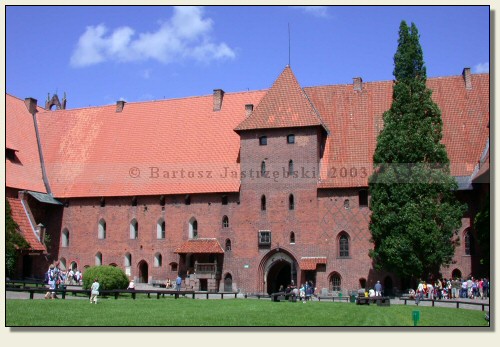  |
| Admission: |  |
It is very expensive, but worth it | |
| Parking: |  |
The parking lots near the castle are paid, there are, however, free parking lots on the housing development by the castle | |
| Searching difficulty: |  |
The boards lead to the destination | |
| Access difficulty: |  |
From the parking lot you must go down the walking avenues | |
| Subjective rating: |  |
Similarly to the Wawel, due to the mass of tourists sightseeing Malbork loses its climate, therefore it was rated at 4 stars |
Driving directions:
Perhaps everyone knows where Malbork lies. If someone, however, has forgotten he/she should drive around 40 km southeastwards of Gdańsk. After arriving in the town you should head for its center where the castle is visible from a distance, and furthermore the boards lead up to it.
It is the best to enter Malbork down the road no. 22 from Tczew (that is from the west) and reach the bridge over the river Nogat. Since from that place is the best view of the castle.
Historical outline:
The former name: Marienburg
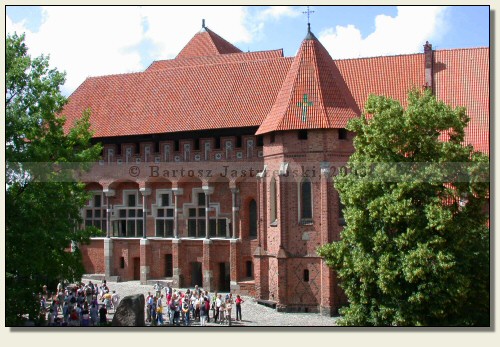
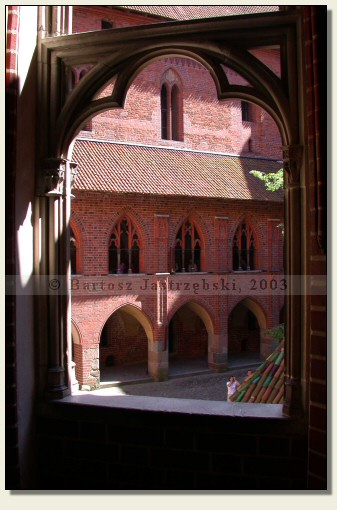
The construction of the castle in Malbork was started in 1274, thanks to a national master, Teodoryk Gatirslebe and the commander of Dzierzgoń, Hermann von Schönenberg. The works were begun with the construction of the present High Castle, and its first stage ended at the end of the XIIIth cent. So arisen conventual castle was surrounded with a ward and a moat. After transferring the residence of the Grand Master of the Order from Venice to Malbork on the 14th of the September in 1309 the second stage of the construction of the castle was started, in the middle of which the castle considerably expanded, gained new defensive and sacral buildings (among others, a new church and a cemetery). As a result of an extension the High Castle became a regular quadrilateral building, while a present Low Castle became the main production center for the whole Teutonic country. It may be admitted that the second stage of the construction ended in the middle of the XIVth cent.
In the following years continued the further construction and extension of the castle, which did not end until 1457, when it was Poland that took over the castle. Since then until the second half of the XVIIth cent. the stronghold was not modernized, and even began to be neglected, since for the maintenance of such an enormous castle it needed great amounts of money, which Poland lacked. In 1565 the crack on the wall of the Great Refectory was spotted, which was the beginning of the problem solved only in the XXth cent.
In 1644 the roof of the High Castle burnt down, which was not completely rebuilt, and e few years later the part of the buildings the Jesuits took over, who started converting them for their own needs.
The Swedish Deluge surprisingly did not bring greater destructions of the castle, but after the First Partition of Poland in 1772 the stronghold was converted into the barracks of the Prussian soldiers. It contributed to substantial devastation of the building. For instance the High Castle became the cereal storehouse, the function of which it fulfilled till 1871. Supposedly the disassembly of the entire stronghold was considered and the construction of new barracks from the materials acquired that way. In the meantime the patriotic communities began to intervene in the defense of the castle, which produced an effect in the form of a ban on the further conversion of the castle imposed by the Prussian king Frederick William III as well as the beginning of the reconstruction after 1815, which lasted till the World War II.
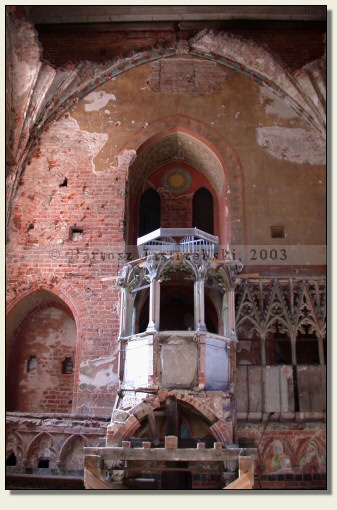
The war brought serious destructions of the stronghold, which was provisionally secured in the years of 1947-1950. Only the fire in 1959 and the establishment of the museum in the castle stepped up the restoration work.
Pictures:


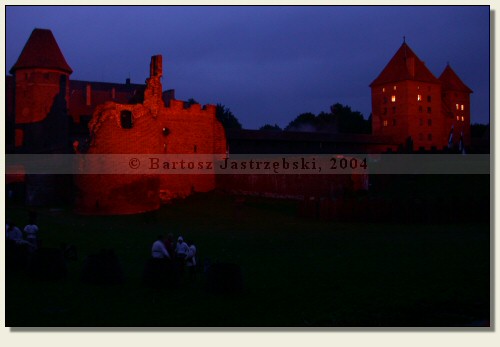
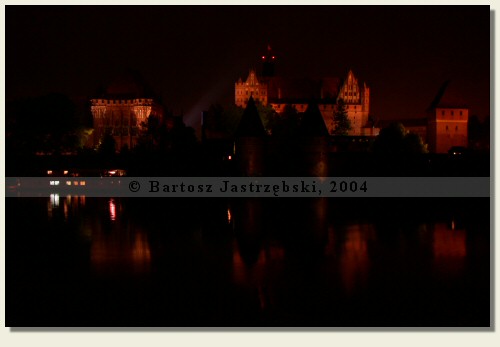

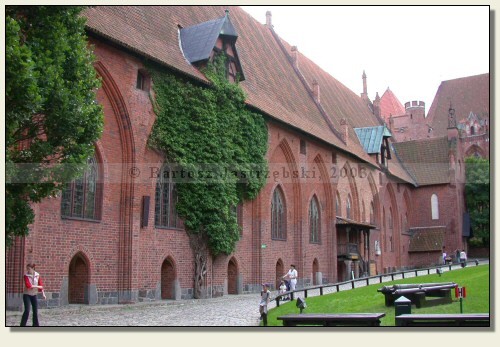

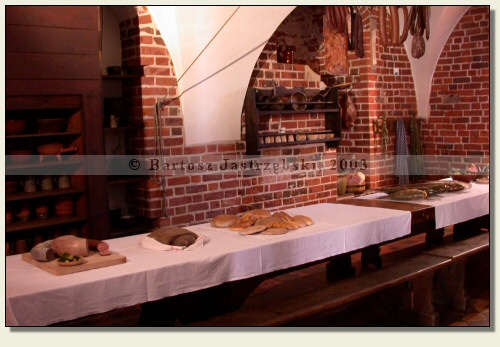
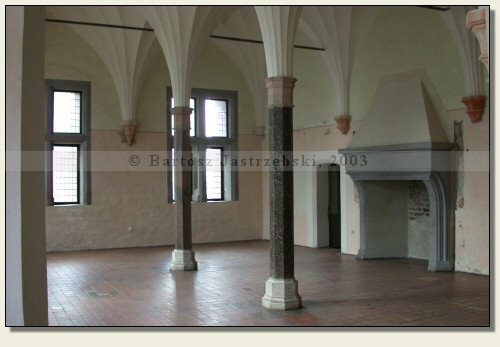
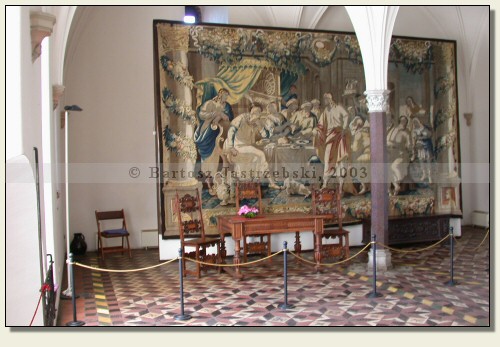
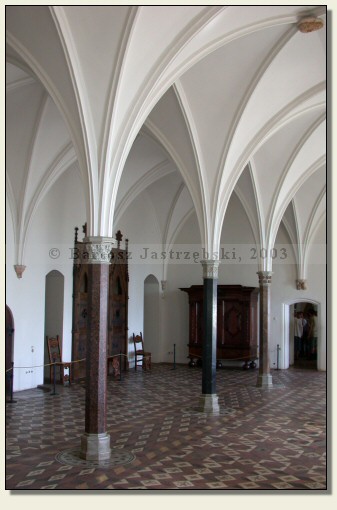
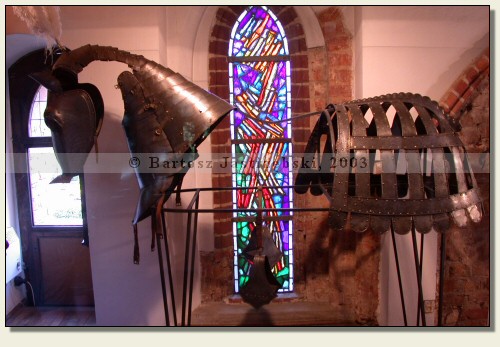
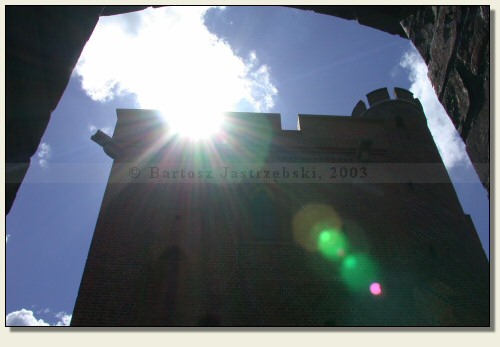
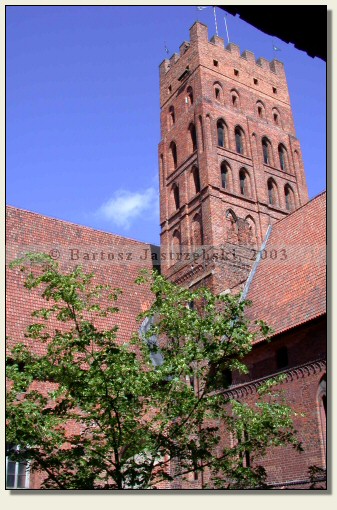


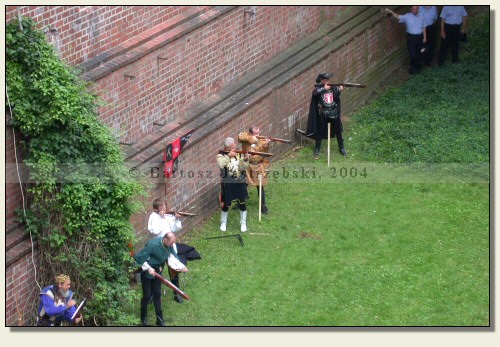
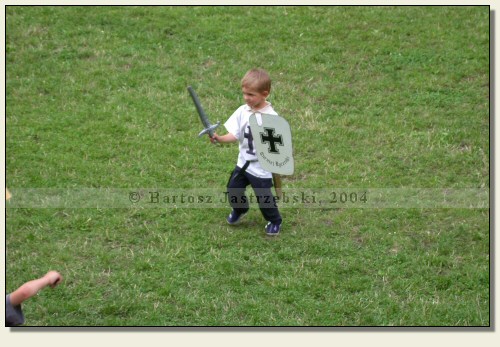
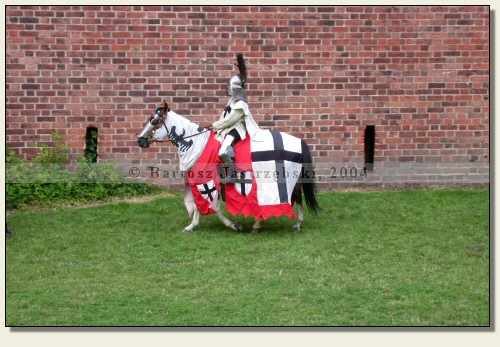
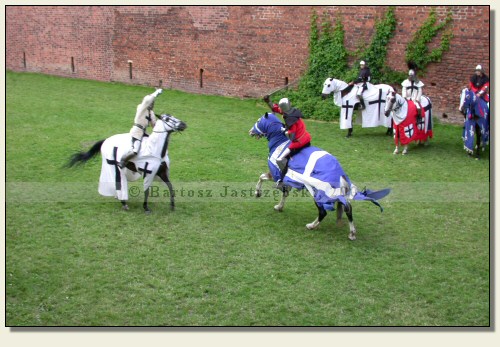
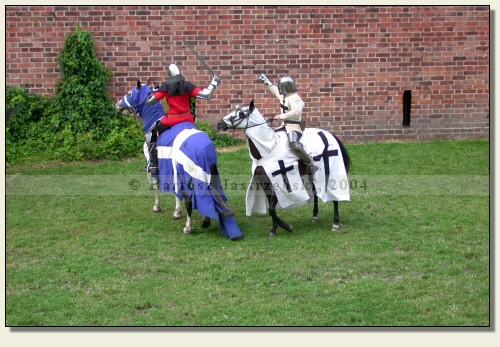
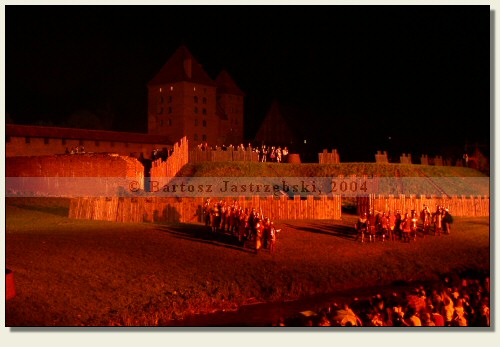
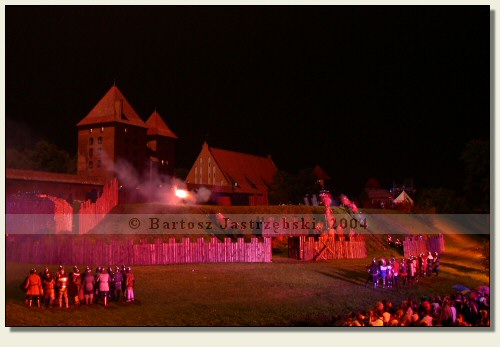
Pictures of knights tournament which took place at this castle





Nearest castles:

Polish castles - homepage
© 2009-2026 Bartosz Jastrzębski